Spring Inspection Services for Your Septic System Needs
Spring is a ideal time for property owners to schedule septic system inspections with trusted local contractors to ensure optimal performance and seasonal readiness.
Spring is a popular season for septic system inspecting because it often marks the beginning of the warmer months when property owners start preparing for outdoor activities and seasonal use. After the winter months, which can bring added stress to septic systems through freeze-thaw cycles and increased water usage from snowmelt, spring provides an ideal time to evaluate the system’s condition. Conducting an inspection during this period helps identify any potential issues early, ensuring the system is functioning properly before peak usage seasons. Additionally, spring inspections can help prevent unexpected problems that might disrupt outdoor living or gardening plans, making it a practical step for homeowners looking to refresh and prepare their properties.
Septic system inspecting typically covers a comprehensive assessment of the entire system, including the tank, drain field, and associated components. Service providers will check for signs of leaks, blockages, or deterioration, and evaluate the level of sludge and scum build-up in the tank. They may also inspect the distribution lines and soil absorption area to ensure proper drainage and identify any potential failures. A thorough inspection can reveal early indications of problems, such as backups or reduced capacity, allowing property owners to plan necessary maintenance or repairs. Regular inspections help maintain the longevity and efficiency of septic systems, supporting the overall health of the property’s wastewater management.
Property owners seeking septic system inspecting services can compare local contractors by considering a few key factors. It’s helpful to review the scope of services offered, ensuring the provider conducts a detailed assessment tailored to the property’s needs. Checking for experience and reputation within the community can also provide insights into the reliability and quality of work. Additionally, understanding the process and what is included in the inspection can help property owners make informed decisions. Consulting multiple local service providers allows comparisons of their approaches and expertise, helping to find a professional who best fits the specific requirements of the property and ensures a thorough, practical inspection process.
Compare local contractors' expertise and experience to prioritize your spring septic system inspection needs effectively.
- Septic System Inspection - Local contractors can assess the condition of septic systems to identify potential issues.
- Drain Field Evaluation - Experts can inspect drain fields to ensure proper function and prevent backups.
- Tank Inspection and Maintenance - Service providers can evaluate septic tanks for leaks, buildup, and overall health.
- Preventative Monitoring - Professionals can recommend maintenance practices to extend system lifespan and performance.
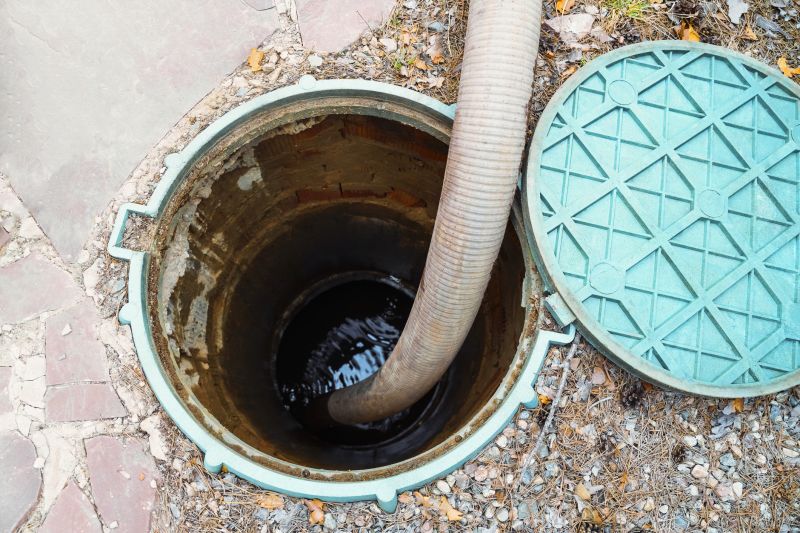
When planning a spring septic system inspection, clearly describe your project needs to compare local contractors effectively.
- Inspect for signs of system failure - look for slow drains, unpleasant odors, or standing water near the septic area.
- Check for pooling or wet spots - identify areas where effluent may be surfacing or the soil appears unusually saturated.
- Examine the drain field - ensure the area is free of excessive vegetation or standing water that could indicate issues.
- Look for signs of backup or overflow - be alert to any sewage backups inside the property or around the septic tank.
- Assess the condition of the septic tank - consider if there are visible cracks, corrosion, or other damage that may require attention.
- Review the system’s components - verify that access lids, pumps, and filters are intact and functioning properly.
Use this to explore ideas and refine your scope with trusted local contractors for spring septic system inspections.
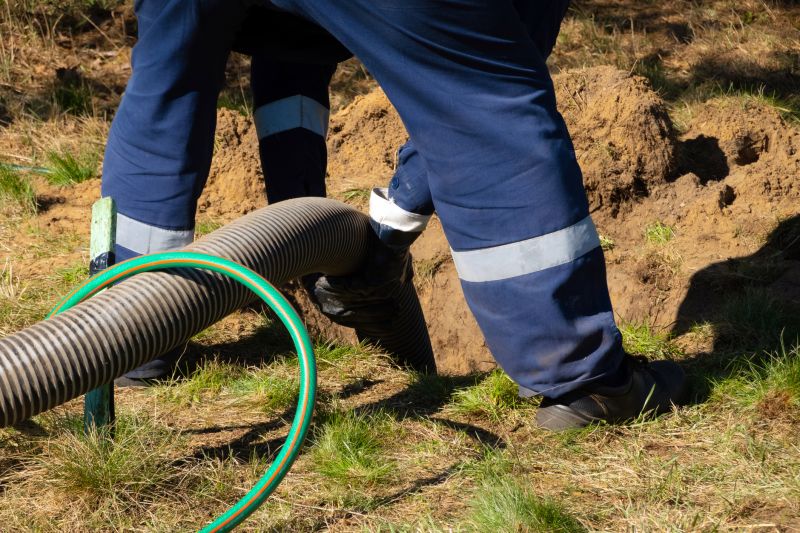
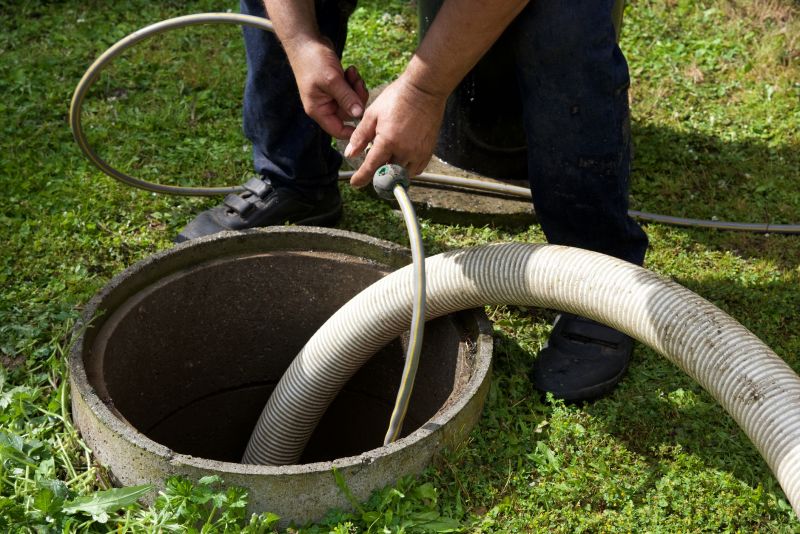
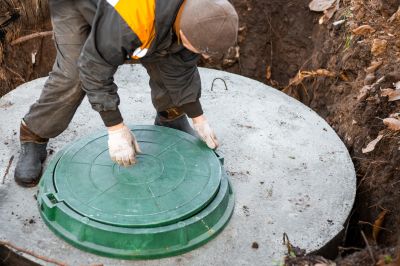
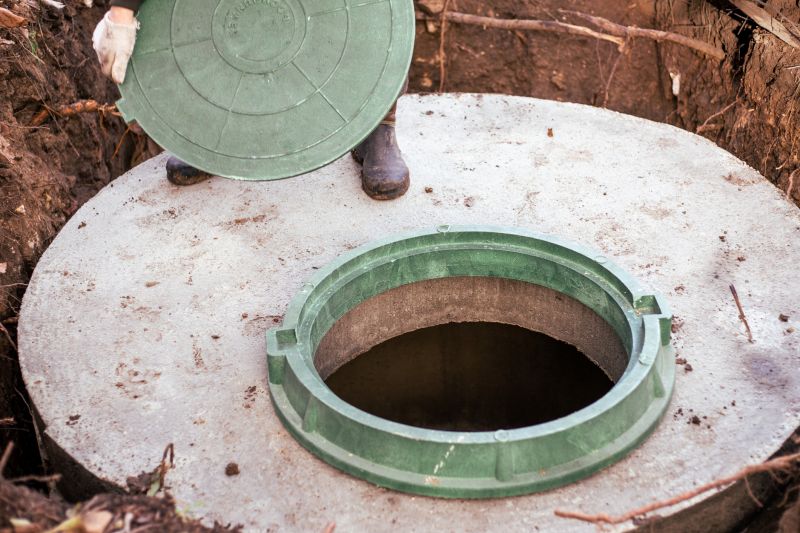
Prioritize your septic system inspecting needs and compare local contractors to find the best service providers.
- Septic System Inspection - Spring is an ideal time to have local contractors assess the condition of a septic system after winter. Regular inspections can help identify potential issues before they become costly repairs.
- Drain Field Evaluation - Service providers can check the drain field for proper function and signs of failure, ensuring the system operates efficiently through the season.
- Tank Cleaning and Pumping - Many septic professionals offer cleaning services to remove accumulated sludge, which can extend the system’s lifespan and improve performance.
- Leak and Damage Detection - Local experts can inspect for leaks, cracks, or damage caused by winter weather, helping to prevent future system failures.
- Maintenance Planning - Spring inspections can inform maintenance plans to keep septic systems functioning properly throughout the warmer months.
Compare local service providers' septic system inspection approaches to ensure consistent, reliable evaluations for spring maintenance.
- Inspection Scope - Define the overall extent of the septic system inspection, including components such as tanks, drain fields, and pipes.
- Visual Evaluation - Assess the visible parts of the septic system for signs of damage, leaks, or deterioration.
- Functionality Check - Determine the operational condition of the system, including flow and drainage performance.
- Component Assessment - Identify the condition of key parts like lids, baffles, and filters for potential issues.
- Reporting Requirements - Document findings and any recommended maintenance or repairs for the system.
When comparing local contractors for septic system inspecting during the spring season, it is helpful to consider their experience with similar projects. Homeowners should look for service providers who have a history of performing inspections in environments comparable to their property. An experienced contractor will be familiar with common issues that arise during spring, such as ground thawing, wet conditions, or seasonal soil shifts, which can impact the inspection process. Evaluating a contractor’s background with properties of similar size, age, or system type can provide insight into their ability to conduct a thorough and accurate assessment.
Clear communication about the scope of work is essential when choosing a septic system inspector. Homeowners should seek service providers who can articulate what their inspection process includes, such as examining the tank, leach field, and related components, as well as identifying potential problems. A detailed description of what the inspection covers helps ensure expectations are aligned and that the contractor’s approach matches the homeowner’s needs. This clarity can also aid in understanding what might be involved if additional work or testing is recommended after the initial inspection.
Work planning considerations are important factors to evaluate when selecting local pros for septic system inspections in the spring. Homeowners should inquire about how the contractor plans their inspection, taking into account seasonal conditions like wet soil or thawed ground. A well-organized service provider will consider site accessibility, safety precautions, and the potential need for specialized equipment to handle spring-specific challenges. Understanding their planning approach can help ensure the inspection proceeds smoothly and efficiently, reducing the likelihood of delays caused by weather or site conditions.
Evaluating options without focusing on pricing involves assessing the experience, scope, and planning practices of local service providers. Homeowners are encouraged to review how each contractor’s expertise aligns with the specific needs of their property, how transparent they are about their inspection methods, and how thoughtfully they approach scheduling and site considerations. Comparing these aspects can help identify professionals who are well-equipped to perform a comprehensive inspection during the spring season, ensuring the process is thorough and tailored to seasonal conditions.
Request written scope details from local contractors to ensure clear, consistent expectations for your spring septic system inspection.
- Scope of Inspection - What specific areas and components do local contractors include in their septic system inspections?
- Inspection Methods - How do different service providers evaluate the condition of a septic system during spring inspections?
- Service Comparison - What are the key differences in the scope and thoroughness of inspections offered by local contractors?
- Seasonal Focus - How do local pros tailor septic system inspections to address spring-related concerns and maintenance needs?
- Inspection Reports - What details and findings are typically included in inspection reports provided by local service providers?
What is involved in a septic system inspection? A septic system inspection typically includes checking the tank for proper function, inspecting the drain field, and evaluating overall system components to identify potential issues.
Why should I consider a septic system inspection in spring? Spring is a good time to inspect your septic system to ensure it’s functioning properly after winter, helping to prevent costly repairs and prepare it for increased use during the warmer months.
How can local contractors assist with septic system inspections? Local service providers can perform thorough inspections, identify any problems, and recommend maintenance or repairs to keep the system operating efficiently.
What signs indicate my septic system might need an inspection? Signs include slow drains, odors around the septic tank area, or pooling water near the drain field, which may suggest the need for a professional inspection.
What should I do to prepare for a septic system inspection? Clearing access to the septic tank and providing any previous maintenance records can help local contractors perform a more effective inspection.
How often should septic system inspections be performed? It’s generally recommended to have a professional inspection every 3 to 5 years, especially if the system is aging or experiencing frequent issues.
Understanding the importance of regular septic system inspections can help ensure your system functions smoothly and avoids unexpected issues. This season is a great opportunity to evaluate your current setup, identify potential concerns early, and plan for any necessary maintenance or upgrades. Connecting with experienced local contractors can provide the insights and services needed to keep your septic system in optimal condition.
By exploring your options through the quote form, you can compare local service providers who specialize in septic system inspections. This process makes it easier to find trusted professionals ready to assist with your seasonal planning. Taking the time to review local contractor options can help you make informed decisions tailored to your property's needs.
Providing clear details about your septic system inspection needs helps local contractors understand your project and connect you with suitable service providers.
- Inspection Details - Share information about the scope and process of septic system inspections performed by local contractors.
- System Components - Describe the key parts of a septic system that will be examined during an inspection.
- Signs of Issues - Outline common indicators that may suggest the need for a septic system evaluation.
- Inspection Benefits - Explain how regular inspections can help maintain system functionality and prevent future problems.