Drain Field Replacement in Columbus, OH
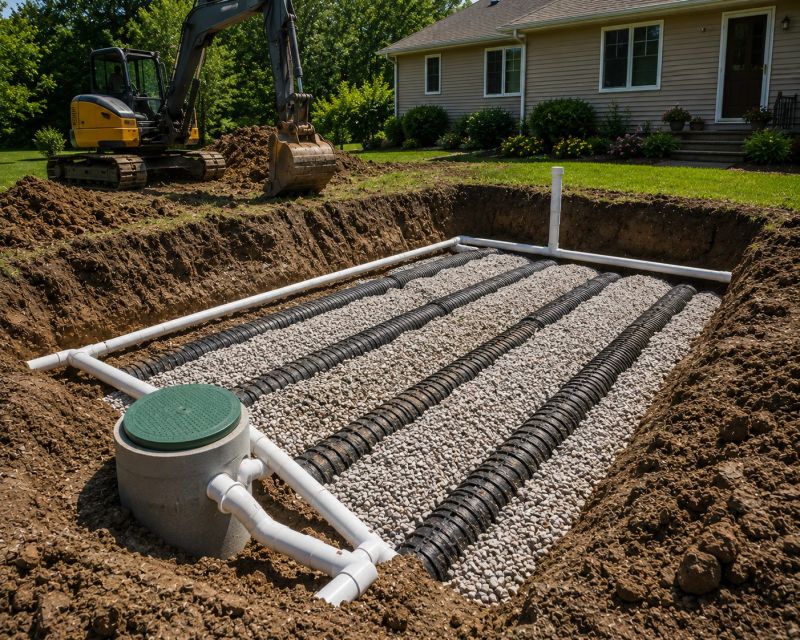
Drain field replacement is a service that involves removing and installing a new drain field system to ensure proper wastewater dispersal from a property’s septic system. This project is typically necessary when the existing drain field has failed due to soil saturation, clogging, or deterioration over time. Property owners often request this service when experiencing persistent sewage backups, foul odors, or standing water in the yard, which can indicate that the current drain field is no longer functioning effectively.
Before requesting drain field replacement, property owners should understand the extent of the existing system’s condition and whether repairs are sufficient or a full replacement is needed. It is also helpful to consider the size of the property, the type of soil, and local regulations that may influence the installation process. Proper planning ensures that the new drain field will meet the property’s needs and operate efficiently for years to come.
Many property owners in Columbus, OH look into Drain Field Replacement for repairs, replacements, upgrades, and appearance-related improvements.
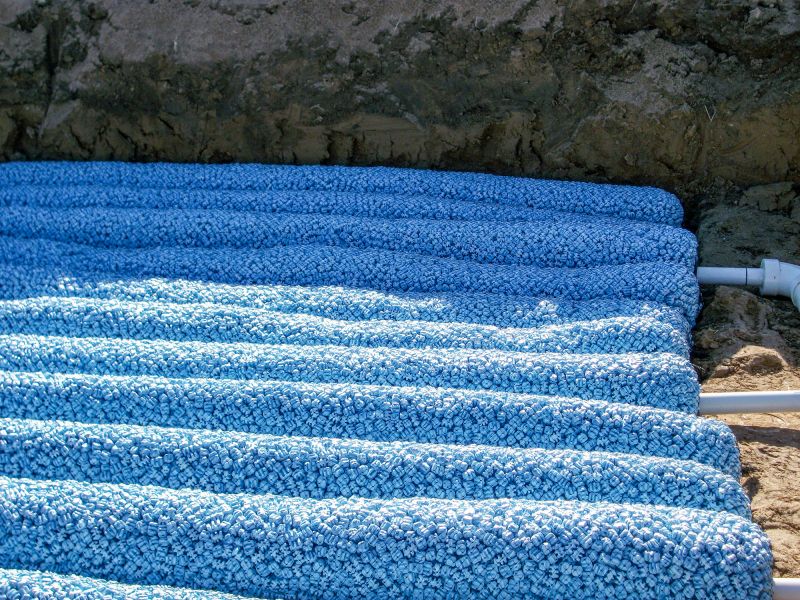
Signs Of Drain Field Failure
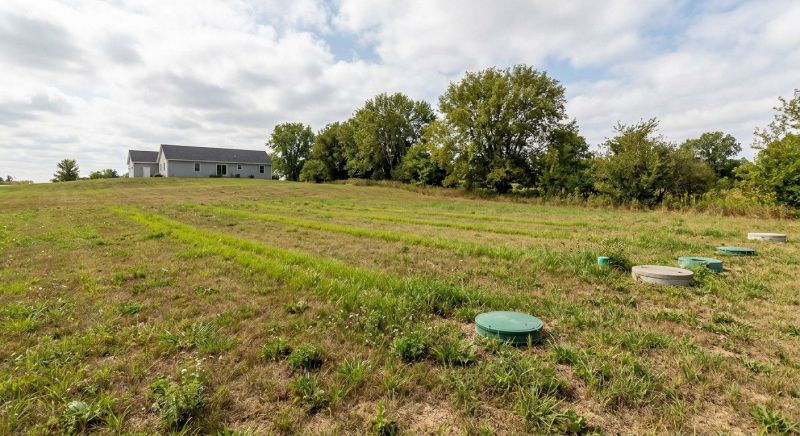
Property owners may notice pooling water or foul odors near the drain field area.
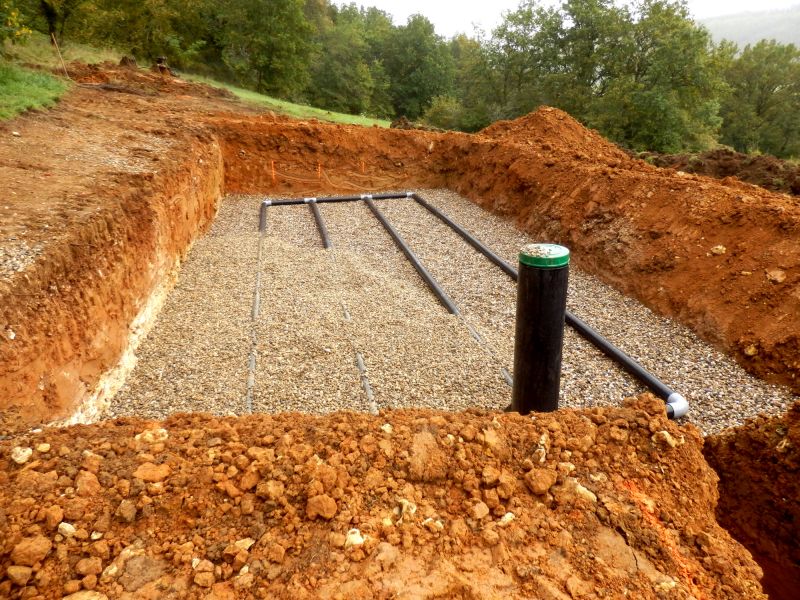
Reasons For Replacement
Drain fields often need replacement due to aging, clogging, or soil saturation issues.
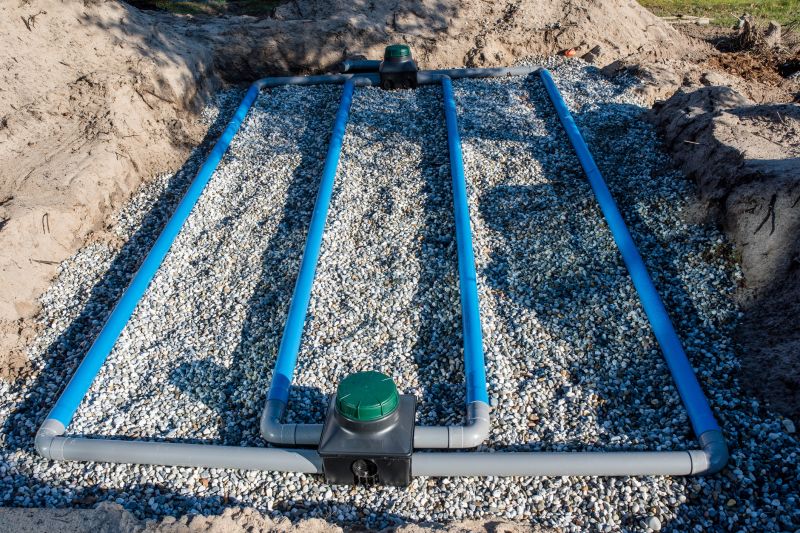
What To Expect During Replacement
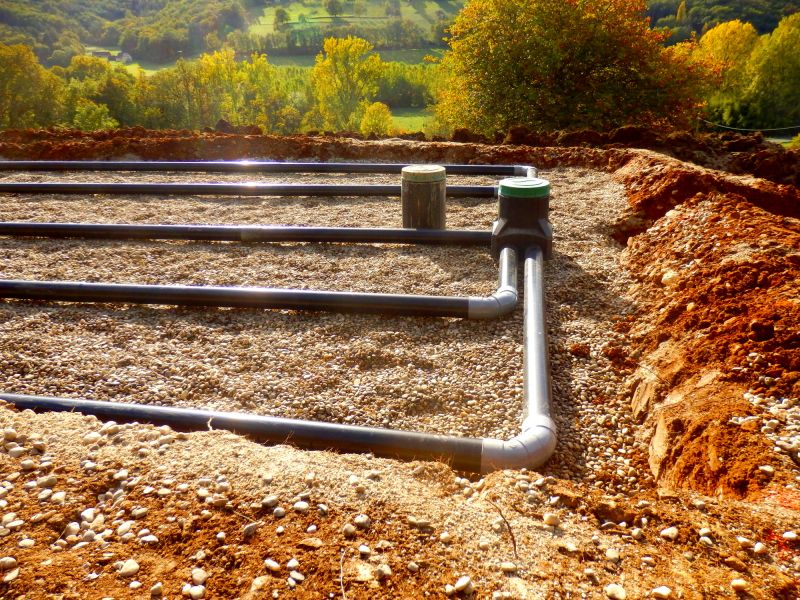
The process involves excavation, installing new drain lines, and restoring the landscape for property safety and function.
Drain Field Replacement in Columbus, OH

Drain field replacement is a service that involves removing and installing a new drain field system to ensure proper wastewater dispersal from a property’s septic system. This project is typically necessary when the existing drain field has failed due to soil saturation, clogging, or deterioration over time. Property owners often request this service when experiencing persistent sewage backups, foul odors, or standing water in the yard, which can indicate that the current drain field is no longer functioning effectively.
Before requesting drain field replacement, property owners should understand the extent of the existing system’s condition and whether repairs are sufficient or a full replacement is needed. It is also helpful to consider the size of the property, the type of soil, and local regulations that may influence the installation process. Proper planning ensures that the new drain field will meet the property’s needs and operate efficiently for years to come.
Many property owners in Columbus, OH look into Drain Field Replacement for repairs, replacements, upgrades, and appearance-related improvements.
Common Drain Field Replacement Jobs
Drain Field Replacement - Replacing aging or damaged drain fields to ensure proper wastewater flow.
Septic System Upgrades - Installing new drain fields to improve system efficiency and prevent backups.
Drain Field Repair - Addressing issues like clogs or leaks that compromise drain field performance.
System Evaluation - Assessing existing drain fields to determine if replacement is necessary.
Soil and Site Preparation - Preparing the property to support a new drain field installation.
Drain Field Installation - Executing complete replacement for reliable septic system operation.
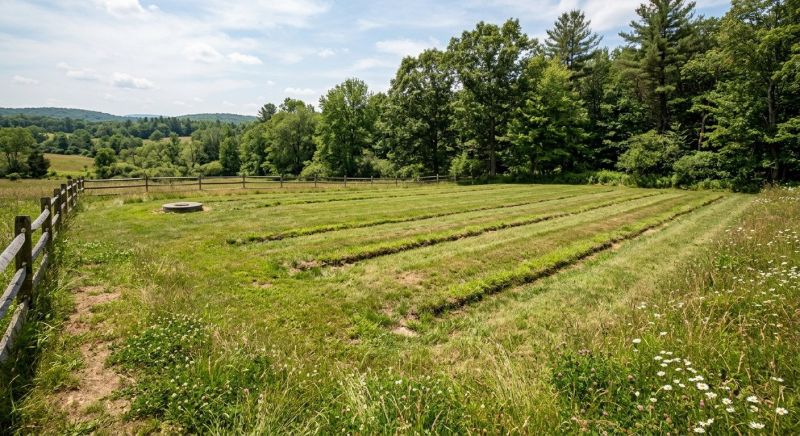
Drain Field Replacement Questions
What is drain field replacement? It involves removing and installing a new drain field to ensure proper wastewater dispersal from a septic system.
When is drain field replacement needed? Signs include persistent odors, standing water, or sewage backups in the yard, indicating the drain field may be failing.
What types of drain fields can be replaced? Common options include gravel, chamber, or mound systems, depending on site conditions and system requirements.
How should property owners prepare for drain field replacement? Clear the area around the site and ensure access for equipment to facilitate a smooth installation process.
Request Drain Field Replacement in Columbus, OH
Use the quote form on this page to share the basics of your project and request more information for the type of work you need.